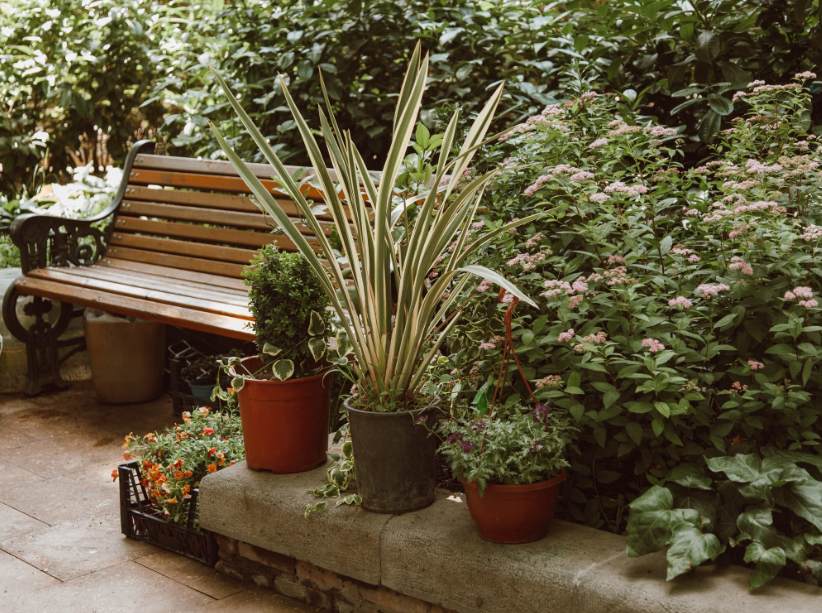
Nutrient Management for Different Plants: A Practical Guide to Healthier Growth

images from ROMAN ODINTSOV

Healthy plants need more than sunlight and water to thrive. They also depend on a balanced supply of essential nutrients throughout their growing cycle. However, not every plant has the same nutritional requirements. Vegetables, flowers, herbs, fruit trees, shrubs, and ornamental plants can respond differently to fertilizers and soil amendments. Understanding these differences allows gardeners to provide the right nutrients at the right time without over-fertilizing.

Nutrient management is the practice of maintaining adequate soil nutrients so plants can grow successfully while preserving long-term soil health. By combining soil testing, organic matter, appropriate fertilizers, and careful observation, gardeners can create a productive growing environment for a wide variety of plants.

Understanding Essential Plant Nutrients

Plants require several nutrients to complete important biological processes. The three primary nutrients are nitrogen, phosphorus, and potassium, commonly identified as N-P-K on fertilizer labels.

Nitrogen supports leafy growth and is especially important for plants that produce substantial foliage. A nitrogen deficiency can cause older leaves to become pale or yellow and may result in slow growth.

Phosphorus contributes to root development, energy transfer, flowering, and seed production. Plants may require adequate phosphorus during periods of root establishment and reproductive growth.

Potassium helps regulate water movement, supports overall plant strength, and contributes to resistance against environmental stresses. Adequate potassium can be particularly valuable for plants producing fruits, flowers, or large amounts of biomass.

Plants also need secondary nutrients such as calcium, magnesium, and sulfur, along with smaller quantities of micronutrients including iron, zinc, manganese, boron, copper, and molybdenum. Although micronutrients are needed in smaller amounts, they still play important roles in plant development.

Nutrient Needs of Vegetables

Vegetable gardens often contain several plant types with very different nutritional needs. Leafy vegetables such as lettuce, kale, spinach, and Swiss chard generally benefit from adequate nitrogen because their leaves are the primary harvest.

Root crops, including carrots, radishes, beets, and turnips, require balanced nutrition while excessive nitrogen should generally be avoided. Too much nitrogen can encourage foliage at the expense of desirable root development.

Fruit-producing vegetables such as tomatoes, peppers, cucumbers, squash, and eggplants need balanced nutrition throughout their growth. During early development, nitrogen supports vegetative growth, while phosphorus and potassium become particularly important as plants begin flowering and producing fruit.

Rather than applying fertilizer based solely on a general schedule, gardeners should consider soil-test results, plant growth, and the specific crop being grown.

Managing Nutrients for Herbs

Many culinary herbs grow well without heavy fertilization. Excessive nutrients can encourage rapid, soft growth and may sometimes reduce the concentration of desirable flavors and aromas.

Herbs such as thyme, oregano, sage, and rosemary generally prefer well-drained soil and moderate fertility. Basil, parsley, cilantro, and other leafy herbs may benefit from somewhat greater nutrient availability, particularly when they are harvested frequently.

Adding compost before planting can provide organic matter and a gradual supply of nutrients. For container-grown herbs, nutrients may need to be replenished more frequently because regular watering can gradually move soluble nutrients through the growing medium.

Fertilizing Flowering Plants

Flowering plants require nutrients that support both vegetative development and flower production. Nitrogen is important for healthy leaves and stems, but excessive nitrogen can produce abundant foliage with fewer flowers in some plants.

Phosphorus is commonly associated with root and reproductive development, while potassium supports overall plant function and stress tolerance. However, applying large amounts of a single nutrient without determining whether it is actually needed can create nutrient imbalances.

Annual flowers may have relatively high nutrient demands because they grow quickly and complete their life cycle within one season. Perennial flowers, on the other hand, benefit from a long-term approach that focuses on healthy soil rather than frequent heavy fertilization.

Nutrient Management for Fruit Trees

Fruit trees require careful nutrient management because they need to support substantial root, branch, leaf, flower, and fruit development. Young trees often need nutrients that encourage healthy establishment, while mature trees may have different requirements depending on their growth and fruit production.

Nitrogen can encourage vigorous leaf and branch growth, but excessive amounts may lead to excessive vegetative growth and potentially interfere with fruit production. Potassium and other nutrients also contribute to healthy fruit development.

Applying compost or other organic matter around the root zone can improve soil structure and contribute to long-term fertility. Fertilizer should generally be applied according to soil or plant-tissue testing when possible rather than following a one-size-fits-all approach.

Nutrients for Shrubs and Ornamental Plants

Ornamental shrubs and landscape plants typically require moderate nutrient management. Established plants growing in healthy soil may need little additional fertilizer.

The first priority should be maintaining good soil structure, adequate organic matter, and proper moisture conditions. Mulch can help conserve moisture, moderate soil temperatures, and gradually contribute organic material as it breaks down.

When fertilizer is necessary, choosing a product appropriate for the plant species and applying it according to the label can help prevent excessive nutrient accumulation. Slow-release fertilizers may be useful in some landscape situations because they provide nutrients gradually rather than all at once.

Container Plants Have Different Needs

Plants grown in containers often require more careful nutrient management than plants growing directly in garden soil. Their root systems have limited access to nutrients, and frequent watering can cause nutrients to move out of the container.

A quality potting mix provides a suitable starting environment, but nutrients may eventually become depleted. Container gardeners should monitor plant growth and follow fertilizer instructions carefully.

Over-fertilization can cause salt buildup in the growing medium, potentially damaging roots. Signs such as brown leaf edges, poor growth, or a crusty surface on the soil may indicate problems with excess soluble salts, although these symptoms can have other causes as well.

The Importance of Soil Testing

One of the most effective ways to improve nutrient management is to test the soil before making major amendments. A soil test can provide useful information about pH and nutrient availability, helping gardeners determine whether amendments are actually necessary.

Soil pH is particularly important because it influences how easily plants can access certain nutrients. A soil may contain a nutrient but still make that nutrient difficult for plants to absorb if the pH is unsuitable.

Testing also helps prevent unnecessary fertilizer applications. Instead of guessing what the soil needs, gardeners can make decisions based on available information.

Using Organic Matter to Improve Soil

Compost, aged manure, leaf mold, and other organic materials can contribute to healthier soil when used appropriately. Organic matter improves soil structure, supports beneficial soil organisms, and can help the soil retain moisture and nutrients.

However, organic amendments are not automatically appropriate in unlimited quantities. Some materials can contain substantial amounts of nutrients, particularly nitrogen and phosphorus. Using mature, well-prepared compost and incorporating it appropriately can help maintain a healthier balance.

Organic matter should therefore be viewed as part of an overall soil-management strategy rather than a replacement for thoughtful nutrient planning.

Avoiding Common Nutrient Management Mistakes

One of the most common mistakes gardeners make is assuming that more fertilizer means healthier plants. In reality, excessive nutrients can cause problems such as excessive foliage, nutrient imbalances, root damage, and environmental pollution.

Another mistake is treating every plant the same. A tomato plant, rosemary plant, rose bush, and young fruit tree may have very different nutritional requirements.

Gardeners should also avoid diagnosing nutrient deficiencies based solely on leaf color or appearance. Yellowing leaves, poor growth, and discoloration can result from nutrient deficiencies, pests, diseases, watering problems, root damage, or unsuitable soil conditions.

Spring Scientific | Systems Explained

Creating a Sustainable Nutrient Management Plan

Effective nutrient management begins with understanding the plants and the soil. Start with a soil test when appropriate, identify the nutritional needs of the plants being grown, and use fertilizers or amendments only when they are needed.

Organic matter, crop rotation, mulching, proper watering, and maintaining healthy soil structure can all contribute to long-term fertility. Gardeners should also observe their plants throughout the growing season and adjust their practices when necessary.

Ultimately, successful nutrient management is about balance. Providing too little nutrition can limit plant growth, while providing too much can create its own set of problems. By matching nutrient applications to individual plant needs and maintaining healthy soil, gardeners can encourage stronger plants, better harvests, and more sustainable gardens.

Content generated by ChatGPT
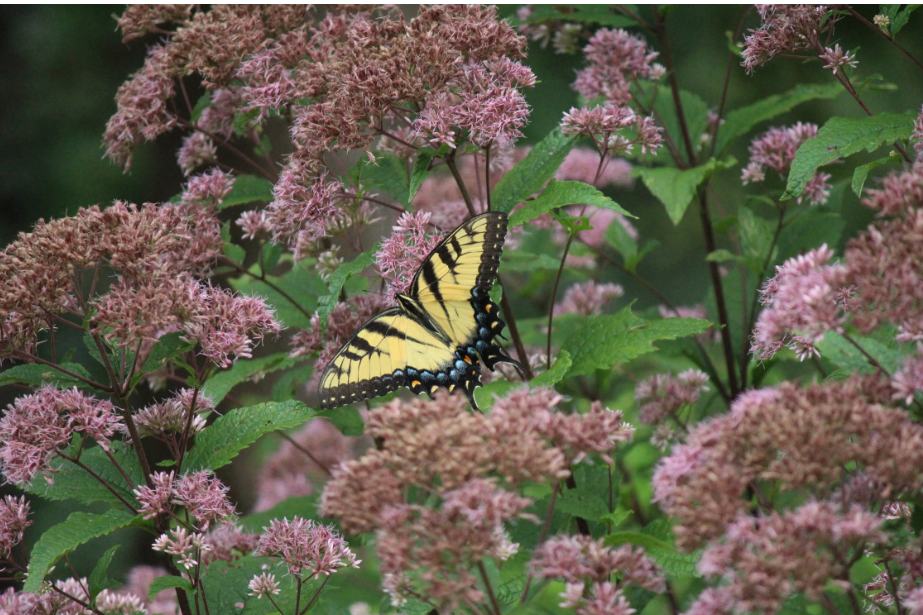
Understanding the different options can help gardeners create landscapes that are both visually appealing and environmentally valuable

Images by Follow Cal Shrock

Native plants and pollinator gardens are becoming increasingly popular among homeowners, gardeners, landscapers, and communities that want to create attractive outdoor spaces while supporting local ecosystems. A well-planned garden can provide color, texture, and seasonal interest while also supplying food, shelter, and nesting areas for bees, butterflies, birds, and other beneficial wildlife.

Although the terms native plants and pollinator gardens are often used together, there are many different kinds of plants and garden styles to consider. The right choices depend on the local climate, soil conditions, amount of sunlight, available space, and the types of pollinators people hope to attract. Understanding the different options can help gardeners create landscapes that are both visually appealing and environmentally valuable.

What Are Native Plants?

Native plants are species that occur naturally within a particular geographic region. These plants have adapted over time to local temperatures, rainfall patterns, soils, insects, and wildlife. As a result, many native species can be easier to maintain once they are established in the appropriate location.

Native plants come in many forms, including wildflowers, flowering perennials, shrubs, trees, grasses, ferns, vines, and groundcovers. Each type can play a different role in the landscape.

Native Wildflowers

Wildflowers are among the most recognizable and popular plants for pollinator gardens. Many produce colorful blooms that attract bees, butterflies, moths, and other insects. Native wildflower gardens can include species that bloom during spring, summer, and fall, helping provide a continuous food source throughout the growing season.

Examples of native wildflowers vary by region, but gardeners may find species such as coneflowers, black-eyed Susans, bee balm, milkweed, asters, and goldenrod suitable for local landscapes. Because native species differ significantly from one region to another, it is important to choose plants that are genuinely native to the specific area.

Wildflowers can be planted in garden beds, meadows, borders, and naturalized areas. They may also be combined with native grasses to create a more natural-looking landscape.

Native Flowering Perennials

Perennials return year after year, making them a practical choice for a long-lasting garden. Native flowering perennials offer a variety of bloom colors, shapes, heights, and flowering seasons. Some grow only a few inches tall, while others can become several feet high.

A well-designed perennial garden can include plants with different flowering periods. Early-blooming plants may provide food for pollinators emerging in spring, while summer and fall flowers continue to support insects later in the season.

Planting a diverse range of native perennials can also make the garden more visually interesting and help create a steady supply of nectar and pollen.

Native Shrubs

Native shrubs are an important part of many pollinator-friendly landscapes. Flowering shrubs can provide nectar and pollen, while their branches and leaves may offer shelter for birds and insects.

Shrubs can also be useful for creating privacy, defining property boundaries, filling large garden areas, and establishing natural-looking hedges. Native species may produce flowers during spring or summer and berries or seeds later in the year.

Because shrubs are often larger and longer-lived than many flowers, they can provide a more permanent structure for a pollinator garden. Combining flowering shrubs with smaller native plants creates layers of vegetation that support different types of wildlife.

Native Trees

Native trees are another valuable part of a pollinator-friendly environment. Some flowering trees provide important early-season resources for insects, especially when other plants have not yet started blooming.

Trees can also provide shade, shelter, nesting locations, and food for many wildlife species. Native oak trees, for example, may support a wide range of insects, while other native trees produce flowers, fruits, nuts, or seeds.

A garden does not need to be large to include trees. Smaller native trees may be suitable for compact residential yards, while larger properties can support more extensive tree plantings.

Native Grasses

Native grasses are sometimes overlooked because they may not produce the bright flowers associated with traditional gardens. However, they can be valuable additions to natural landscapes.

Many native grasses provide shelter, nesting material, and cover for wildlife. Their deep root systems can also help stabilize soil and improve water infiltration. Ornamental native grasses can add movement and texture to the landscape as they respond to the wind.

Native grasses work well in prairie gardens, meadow gardens, borders, and large naturalized spaces. They can be combined with colorful native wildflowers to create a balanced and visually interesting design.

Types of Pollinator Gardens

Pollinator gardens can be designed in many different styles. Some are formal and carefully arranged, while others imitate natural ecosystems. The following are several common types.

Wildflower Gardens

Wildflower gardens focus primarily on flowering native plants that provide nectar and pollen. They may contain a mixture of annuals, perennials, and self-seeding species.

These gardens can be planted in raised beds, borders, or open areas. Choosing flowers with staggered bloom times helps create a longer-lasting source of food for pollinators.

Butterfly Gardens

Butterfly gardens are designed to support both adult butterflies and their caterpillars. Adult butterflies generally seek nectar-producing flowers, while caterpillars often require specific host plants.

Milkweed, for example, is important for monarch butterflies, while other butterfly species depend on different native plants during their larval stages. A successful butterfly garden includes nectar plants as well as host plants.

Sunny areas are often especially attractive to butterflies, which may rest and warm themselves in open spaces.

Bee Gardens

Bee gardens are designed to support native bees as well as other pollinating insects. Many native bees are solitary rather than living in large colonies like honeybees.

A bee-friendly garden should include flowers with different bloom shapes, colors, and seasons. Small clusters of the same plant species can make it easier for bees to locate flowers.

It is also helpful to provide nesting opportunities. Some native bees nest in bare soil, hollow stems, or small cavities. Leaving portions of the garden slightly natural can support these important pollinators.

Meadow Gardens

Meadow gardens usually combine native grasses and wildflowers in a more naturalistic design. They can be a suitable option for larger properties, open spaces, and areas where a traditional lawn is difficult to maintain.

A meadow garden may support a wide range of insects, birds, and small wildlife. The mixture of plant heights and flowering periods can create changing colors and textures throughout the year.

Rain Gardens

Rain gardens are designed to collect and absorb rainwater from roofs, driveways, and other hard surfaces. Native plants are often a practical choice because suitable species can tolerate periods of moisture and occasional dryness.

A rain garden can help manage stormwater while providing habitat for pollinators. Plants are generally selected according to their position within the garden, with moisture-tolerant species placed in lower areas and plants that prefer drier conditions positioned around the edges.

Woodland Pollinator Gardens

Not every pollinator garden needs full sun. Woodland gardens can support species adapted to partial shade or shaded environments.

Native ferns, flowering woodland plants, shrubs, and groundcovers can create attractive habitats beneath trees. These gardens are especially useful for properties with existing mature trees where sun-loving wildflowers may not thrive.

Creating a Diverse Pollinator Garden

One of the most important principles of a successful pollinator garden is diversity. Planting only one type of flower may attract some insects, but a greater variety of native plants can support a broader range of pollinators.

Consider including plants that flower during different seasons, along with a mixture of trees, shrubs, grasses, and flowers. Plants should also be chosen according to the amount of sunlight, soil type, and moisture conditions available in the garden.

Avoiding unnecessary pesticide use can also help protect pollinators and other beneficial insects. In addition, leaving some plant stems, fallen leaves, and natural areas can provide shelter and overwintering habitat.

Final Thoughts

There are many kinds of native plants and pollinator gardens, ranging from colorful wildflower beds and butterfly gardens to rain gardens, meadow landscapes, and shaded woodland habitats. The best garden is one designed around local conditions and filled with plant species that are appropriate for the region.

By including native wildflowers, perennials, shrubs, trees, and grasses, gardeners can create outdoor spaces with year-round interest and ecological value. A diverse pollinator garden does more than add beauty to a property—it can provide essential food and shelter for the insects and wildlife that help maintain healthy ecosystems. With thoughtful plant selection and simple maintenance practices, gardens of almost any size can become valuable habitats for native pollinators.

Content generated by ChatGPT

Understanding the principles of outdoor aesthetics


Landscape design is more than simply arranging plants in an outdoor space—it is also an opportunity to incorporate modern security features that enhance both beauty and peace of mind. Strategically placed security lighting, motion sensor lights, security cameras, smart locks, gated entry systems, and durable fencing can complement your landscape while helping protect your property. By combining attractive outdoor aesthetics with practical home security solutions, homeowners can create an inviting environment that boosts curb appeal, increases property value, and provides a safe, relaxing retreat for family and guests.

https://images.openai.com/static-rsc-4/g_eGk_TFWMDjPw8JyswuhKsztlymjdnk7-XJkw7Cku9t94gjQHTF38WRvKkf54lAX0MSJ0YiJo0KhBJa8R_d-x89qnx30_WWRzBnd1lErrDE4rRC5GruEs_JZzACklcX5BfbHaIgE6nSZ_EwaSy6GWp8lx3obOYTZZh02s3aCxFvbH4L-55CSixEOglkW6t1?purpose=fullsize

Understanding the Foundations of Landscape Design

At its core, landscape design relies on a few key principles: balance, unity, proportion, rhythm, and focalization. These elements work together to create a cohesive and pleasing environment.

Balance refers to the visual equilibrium of a space. This can be symmetrical, where both sides mirror each other, or asymmetrical, where different elements create equal visual weight. Unity ensures that all parts of the design feel connected, often achieved through consistent colors, materials, or plant selections.

Proportion is about the relationship between objects—ensuring that plants, structures, and pathways are appropriately sized for the space. Rhythm is created through repetition, such as repeating plant species or design elements, guiding the eye naturally through the landscape. Lastly, focalization involves creating a central point of interest, such as a fountain, tree, or sculpture, that draws attention.


Designing with Layers and Structure

A well-designed landscape often mimics nature by incorporating layers of varying heights and textures. This layering technique creates depth and visual interest.

https://images.openai.com/static-rsc-4/mlseVebO_iMxfNueJJEsu99sejPQur4l0bL7YhRoUyhotbiKE78BUgQbuUV8BXilXQYqt5y-R6qx6QMDkpBYnS62EmXAKvIJHWVV8wbiTwX59I4RTE3H8c2baI_bsxYOX2tPg9ynQdPCVbk5AKFAYl-zrCUdyi4XUbt1MmYF52c3OpenuwfCnkV4CFRy_PaH?purpose=fullsize
https://images.openai.com/static-rsc-4/o4B2EiHnbamu4Tk_FUKQLRJzfYz8WQ9vtftSPc3TpRJ8INhQLAu6_5iEBN49gmTdmixuCL-9sfeApCO25AlyBWXHT90xycSN9JchRWzjTaMqveudypnMWn4SlJPFADmm771zO1ZY_D5BwabcIjUaOiSPi5BfNAt3L-M9OCpzmU2VN0AsDERu7a9CJlhhwTeZ?purpose=fullsize

7

Typically, landscapes are arranged in three main layers:

  • Canopy layer: Trees that provide shade and vertical structure
  • Mid-layer: Shrubs and small ornamental trees that add volume
  • Ground layer: Flowers, grasses, and groundcovers that fill in the space

This layered approach not only enhances aesthetics but also supports biodiversity and improves the overall health of the ecosystem.


Creating Functional Outdoor Spaces

Outdoor aesthetics should go hand in hand with functionality. A beautiful yard is most valuable when it serves a purpose for the people who use it.

https://images.openai.com/static-rsc-4/q6mSd-QCYyGH7N9pVjksAAGLdEooq9c8oFTPkMKFCbd8I-8gfix0p7LdyaKhP7SC5ATF9OfaglBPSDL63CZOykLBWLRLbPxMQB0If2k2lIK-Bjc_fNbP6bTk-EI5SggQtwXlFG-O7ovP-MIdrLweARpsNqlm6GeJReYsj5wrHJpD608hrCAwwDjYDOBI8-Iu?purpose=fullsize
https://images.openai.com/static-rsc-4/9a5p5w16wwHRN612xWd0JBosbAw26FhwDrRdhu70ZeBIzqXAIJP7yeoF1H78Jl8WKev6BAd4-gt_0nVghT0UxloJQh-GCGCjdb-VxFPnwcW9hfHprV-fOL5kdUDc1d5h5mvc57CT51k4SVuXmXg_uumjDrhfzafP4e9Duvt47Trb5SRjr5avhPqJ142Y6Z8A?purpose=fullsize
https://images.openai.com/static-rsc-4/0r4EYnEhtivVRFfxxnOYjCCJYgkwmaWnyTfNhLfSRQMcxAb1TTArq9orfFMdy9-xz6I-RBrSII2e9hGw_syp881bZVuX2G9d0wx_Lawo7CScibavZ32Au-7y7i1062KhGUjwWO2-wKGeQNAu6X0jqAr6aEvaUa_Ch_ZoQ5wpjtERMBmqNqP1Bek4haijmELU?purpose=fullsize

8

Consider how you want to use your space. Do you need an area for entertaining guests, a quiet corner for relaxation, or a play area for children? Dividing your landscape into “zones” can help you achieve this. For example:

  • A patio or deck for dining and gatherings
  • A garden area for planting flowers or vegetables
  • A lounge space with seating or a fire pit
  • Pathways that connect each area seamlessly

Incorporating hardscaping elements like stone walkways, retaining walls, or pergolas adds structure and usability while complementing the natural surroundings.


Choosing Colors and Textures

Color plays a significant role in outdoor aesthetics. A well-planned color palette can evoke specific moods and create visual harmony.

https://images.openai.com/static-rsc-4/p878pmYE-cOCN13RTS1ZFtV6BC_GtI7hHlVQHy073Q9OuGcyNoQS6-cFim7QkPlVfWVqKGyRPBZxjIrxaocD9eNXNAADPBLMJzAvkXIFM4OY8DT1j3ACOg79LkGTjd6dFI-IhnuPphc6g3Z76dxajOdzyW4dwTmVhNPB3_MnEsZHYM96tnodULAWE2CLS3RV?purpose=fullsize
https://images.openai.com/static-rsc-4/Di8SS9ci69HpgsOwNWfsb62YnYRZMXrmYO_wfUjCYDRzBVGayouHgW95_jWgeYVVTZY1zwBEj-T1FojGrnlJQ5pfMGOSeb-oaZ_JOPp8fy9FPbLQNQ5Iv-K2l7iedFWpjIZigpCv29UDLl9nxunWPUfvOw2-OMj9wt2DVZGuQxU50gfTG_qKTLEayb7iC38-?purpose=fullsize
https://images.openai.com/static-rsc-4/EHo8PSAQGMsU4ojjyIJXsAz3Kh_vd6OU7l82RV_CuYF0s9Gt50mN2W4SgWzWDrUjopgZDOGkz4MjqsVfEHjTQ8IjdeK6Q_WN7x_0YsQaKXtC6T0uW5qQTNtT1rs0mJvARbEiwPyb6uW45PSJ3C4w27EK_5C317A4otVh6lYECLFJGpWzWZcOYGStn1bW6E4Y?purpose=fullsize

8

Warm colors like red, orange, and yellow create energy and draw attention, making them ideal for focal points. Cool colors such as blue, purple, and green offer a calming effect and are perfect for relaxation areas.

Texture is equally important. Combining fine-textured plants like ornamental grasses with bold, broad-leaf plants creates contrast and keeps the design visually engaging. Mixing textures prevents the landscape from feeling flat or monotonous.


Incorporating Seasonal Interest

A successful landscape design looks appealing throughout the year, not just during one season. Planning for seasonal variation ensures that your outdoor space remains dynamic and attractive.

https://images.openai.com/static-rsc-4/jtPn_maOznc3EeoaSNLhiOMSqXfv1T1ojbuP1h9atvyQa2g6JPDH-D3n3n7fDxT2uU1s3cyoMOcT6iAktxgC7RBte4ZTahJRVJ2dc2UvRwiGTu_zxvCtvhQ5zImLzdcR5oelyKra_2oDXIWeaeStprgNepXBDK9DhdmCCkMS-Oz3Z-qqBFYjCb5qFeFvm6Ru?purpose=fullsize
https://images.openai.com/static-rsc-4/PDTFMT8m1qXwohzYfBrryaqJbpJxffWZQkcnuIcvlFyOfF6ej5og9OWluP9sUvlOQM8kLgQwaagpqDYVr2poly9FIA-CBo1QWSin__nxZKCxpcIggBnht8T3H9A9HX9eYw09DtnMS07wfERqlwPP63lxdeOiDhvsXrJrtWcMr3sf98S1iLr_xLSyibSriXJ4?purpose=fullsize
https://images.openai.com/static-rsc-4/nKe-b9c1IFy7rwcu3bGwMDyg93DAz50US__nqPG1eknKMhpv7VsDrQxKY8KWjYQ_FxiKtwZY3W_rL5H_kzQwNMO_3CNgAP1HF0mOb-fUZsc1j40g-ten35e3IwVt2wqlO3rItsap0QD-9ziBecSsb_8cKzdSjULUROUmzquKka8PnSMMFmSqqVzA-G0innry?purpose=fullsize

6

  • Spring: Bulbs and flowering trees bring fresh color after winter
  • Summer: Perennials and annuals provide vibrant blooms
  • Fall: Trees and shrubs display rich, warm foliage tones
  • Winter: Evergreens, ornamental bark, and structural elements maintain visual interest

By selecting a variety of plants that peak in different seasons, you can ensure continuous beauty year-round.


The Role of Lighting in Outdoor Design

Outdoor lighting is often overlooked, yet it plays a crucial role in enhancing both aesthetics and safety. Strategically placed lighting can highlight key features, illuminate pathways, and create a warm, inviting atmosphere after sunset.

Soft, ambient lighting works well for seating areas, while accent lighting can be used to showcase trees, sculptures, or water features. Solar-powered lights are an eco-friendly option that reduces energy consumption while still providing effective illumination.


Sustainable and Low-Maintenance Design

Modern landscape design increasingly emphasizes sustainability. Creating an eco-friendly outdoor space not only benefits the environment but also reduces maintenance efforts and costs.

Some sustainable practices include:

  • Using native or drought-tolerant plants
  • Installing efficient irrigation systems
  • Incorporating rain gardens or permeable paving
  • Reducing lawn areas in favor of plant beds

Low-maintenance landscapes are especially appealing for homeowners who want a beautiful yard without constant upkeep. Mulching, proper plant spacing, and thoughtful design can significantly reduce the need for frequent maintenance.


Adding Personal Style and Character

Your landscape should reflect your personal taste and lifestyle. Whether you prefer a formal garden with clean lines or a more natural, cottage-style design, incorporating personal elements makes the space uniquely yours.

Decorative features such as sculptures, water fountains, or garden art can serve as focal points. Even small touches like decorative planters or themed garden sections can add character and charm.


Landscape design and outdoor aesthetics combine creativity with practicality to transform ordinary outdoor spaces into extraordinary environments. By understanding design principles, incorporating layers and functionality, and paying attention to color, texture, and seasonal interest, you can create a landscape that is both beautiful and purposeful.

Whether you are starting from scratch or enhancing an existing yard, a well-designed landscape offers more than visual appeal—it provides a place to relax, entertain, and connect with nature. With careful planning and thoughtful choices, your outdoor space can become a lasting source of enjoyment and pride.

Content generated by ChatGPT

Seasonal Planting and Maintenance: A Complete Guide for a Thriving Garden

Image by Greta Hoffman

Gardening is a dynamic, year-round activity that evolves with the seasons. Understanding how to adapt your planting and maintenance practices throughout the year is essential for cultivating a healthy, productive, and visually appealing landscape. In regions like New Hampshire, where seasonal changes are pronounced, timing and preparation play a critical role in gardening success. By aligning your efforts with each season’s unique conditions, you can ensure your garden flourishes from early spring through the depths of winter.


Spring: Laying the Foundation for Growth

Spring is often considered the most exciting season for gardeners. As the ground begins to thaw and temperatures gradually rise, it’s time to prepare your garden for the growing season ahead.

The first step in spring gardening is cleaning up your garden beds. Remove any debris, dead plants, and leftover mulch from winter. This helps prevent pests and diseases from carrying over into the new season. Once the soil becomes workable—not too wet or frozen—you can begin loosening it and incorporating organic matter such as compost. This enriches the soil with nutrients and improves its structure.

Spring is also the time to start planting cool-season crops like lettuce, spinach, peas, and radishes. These plants thrive in the cooler temperatures of early spring and can often tolerate light frosts. For warm-season crops such as tomatoes, peppers, and cucumbers, it’s best to start seeds indoors several weeks before the last expected frost date.

Pruning is another essential spring task. Trim back damaged or dead branches from shrubs and trees to encourage healthy new growth. Fertilizing plants early in the season provides them with the nutrients they need to establish strong roots and vigorous foliage.


Summer: Nurturing and Maintaining Growth

Summer is the peak growing season, when your garden is in full bloom and requires consistent care. The primary focus during this time is maintaining plant health and ensuring adequate water and nutrients.

Watering becomes especially important during the hot months. Most gardens need about one inch of water per week, either from rainfall or irrigation. Watering early in the morning is ideal, as it reduces evaporation and allows plants to absorb moisture before the heat of the day sets in. Deep, less frequent watering encourages roots to grow deeper, making plants more resilient to drought.

Mulching is a valuable practice in summer. Applying a layer of organic mulch around your plants helps retain soil moisture, regulate temperature, and suppress weeds. It also gradually adds nutrients to the soil as it decomposes.

Weeding should be done regularly to prevent competition for nutrients and water. Keeping weeds under control early makes maintenance much easier throughout the season.

Summer is also the time for harvesting many fruits and vegetables. Regular harvesting not only provides fresh produce but also encourages plants to continue producing. Deadheading spent flowers promotes additional blooms and keeps ornamental plants looking tidy.

Keep an eye out for pests and diseases, which are more active in warm weather. Early detection and treatment are key to preventing widespread damage. Using natural remedies or integrated pest management techniques can help protect your garden without harming beneficial insects.


Fall: Preparing for Transition

As temperatures begin to cool, fall becomes a season of transition and preparation. While many plants are winding down, this is an excellent time to strengthen your garden for the future.

Fall is ideal for planting perennials, shrubs, and trees. The cooler weather reduces stress on plants, and the still-warm soil allows roots to establish before winter. This gives plants a strong start for the following spring.

It’s also a great time to plant spring-blooming bulbs such as tulips, daffodils, and crocuses. These bulbs require a period of cold dormancy and will reward you with vibrant color when spring arrives.

Cleaning up the garden is an important fall task. Remove spent annuals and diseased plants to prevent issues from carrying over into the next season. However, consider leaving some seed heads and plant material for wildlife, as they provide food and shelter during winter.

Adding compost or organic matter to your soil in the fall helps replenish nutrients and improves soil structure. Cover crops, such as clover or rye, can also be planted to protect and enrich the soil during the off-season.

Raking leaves and using them as mulch or compost is another sustainable practice. Leaves can help insulate plant roots and add valuable organic material to your garden.


Winter: Rest, Protection, and Planning

Winter may seem like a quiet time for gardening, but it plays a crucial role in the overall cycle. While outdoor activity is limited, there are still important tasks to focus on.

Protecting your plants from harsh winter conditions is an important part of seasonal yard and garage care. Adding mulch around perennials, shrubs, and trees helps insulate their roots and reduce the risk of damage from freezing temperatures. For young or delicate plants, wrapping them in burlap can provide extra protection from strong winds and heavy snow. As part of your winter garage and overall garage safety routine, keeping plants, tools, and other outdoor items properly protected can help maintain a safe and well-organized space throughout the colder months.

For gardeners with trees and shrubs, winter is a good time to check for damage caused by snow or ice. Gently removing heavy snow from branches can prevent breakage.

Indoor gardening can also be a rewarding winter activity. Growing herbs or starting seeds indoors allows you to stay connected to gardening even during the colder months.

Perhaps most importantly, winter is the perfect time for planning. Reflect on what worked well in your garden and what could be improved. Research new plants, design layouts, and order seeds early to ensure you’re ready when spring arrives.


Year-Round Gardening Success

Seasonal planting and maintenance are all about working with nature rather than against it. Each season offers unique opportunities to support plant growth, improve soil health, and enhance the beauty of your landscape.

Consistency is key. Small, regular efforts throughout the year are far more effective than trying to tackle everything at once. By staying attentive to your garden’s needs and adapting your practices to the changing seasons, you can create a resilient and thriving outdoor space.

In the end, gardening is as much about the journey as it is about the results. Embracing the rhythm of the seasons not only leads to a healthier garden but also deepens your connection to the natural world. Whether you’re planting your first seeds in spring or planning next year’s garden in winter, each step contributes to a cycle of growth, renewal, and beauty that makes gardening such a fulfilling endeavor.

Content generated by ChatGPT

Soil Health and Preparation: The Foundation of a Thriving Garden

Image by Valeria Drozdova

Healthy soil is the backbone of any successful garden or landscape. Whether you’re growing vegetables, cultivating flowers, or designing a lush outdoor space, the condition of your soil directly impacts plant growth, resilience, and productivity. Soil is more than just dirt—it’s a living ecosystem filled with microorganisms, organic matter, minerals, air, and water. Understanding how to nurture and prepare it properly is essential for long-term gardening success.

Understanding Soil Composition

Soil is made up of three primary components: mineral particles (sand, silt, and clay), organic matter, and pore spaces filled with air and water. The balance of these elements determines soil texture and structure.

  • Sandy soil drains quickly but struggles to retain nutrients.
  • Clay soil holds water well but can become compacted and poorly aerated.
  • Loamy soil, a balanced mix of sand, silt, and clay, is ideal for most plants because it retains moisture while allowing excess water to drain.

Healthy soil also contains beneficial organisms such as bacteria, fungi, earthworms, and insects. These organisms break down organic matter, release nutrients, and improve soil structure, creating a supportive environment for plant roots.

The Importance of Soil Testing

Before making any amendments, it’s crucial to understand your soil’s current condition. Soil testing provides valuable information about pH levels, nutrient content, and organic matter.

Most plants prefer a slightly acidic to neutral pH (around 6.0 to 7.0), though some plants have specific preferences. For example, blueberries thrive in more acidic soil, while many vegetables prefer a neutral range.

A soil test helps you avoid guesswork. It tells you exactly what your soil needs—whether it’s more nitrogen, phosphorus, potassium, or a pH adjustment. Based on the results, you can apply the right fertilizers or soil conditioners in appropriate amounts.

Improving Soil with Organic Matter

One of the most effective ways to enhance soil health is by adding organic matter. Compost, aged manure, leaf mold, and grass clippings all contribute to richer, more fertile soil.

Organic matter improves soil in several ways:

  • Enhances water retention in sandy soils
  • Improves drainage in clay soils
  • Provides essential nutrients for plants
  • Encourages beneficial microbial activity

Composting is a sustainable and cost-effective method to recycle kitchen scraps and yard waste into valuable soil amendments. Over time, compost transforms poor soil into a nutrient-rich growing medium.

The Role of Mulching

Mulching is another essential practice for maintaining soil health. A layer of organic mulch—such as wood chips, straw, or shredded leaves—spread over the soil surface helps regulate temperature, retain moisture, and suppress weeds.

Mulch also breaks down gradually, adding organic matter back into the soil. In colder climates, it can protect plant roots from freezing temperatures, while in warmer months, it prevents soil from drying out too quickly.

Soil Aeration and Structure

Compacted soil restricts root growth and limits the movement of air and water. Aeration helps loosen the soil, allowing roots to penetrate more easily and access essential nutrients.

Gardeners can improve soil structure by:

  • Avoiding excessive foot traffic on garden beds
  • Using raised beds to reduce compaction
  • Incorporating organic matter regularly
  • Gently tilling or turning soil when necessary

However, it’s important not to over-till, as this can disrupt soil structure and harm beneficial organisms. In many cases, a no-dig or low-till approach is more beneficial for long-term soil health.

Managing Soil Nutrients

Plants rely on a range of nutrients to grow, with nitrogen (N), phosphorus (P), and potassium (K) being the primary macronutrients. Secondary nutrients like calcium, magnesium, and sulfur, along with trace minerals, also play important roles.

Fertilizers can help replenish nutrients, but they should be used carefully. Over-fertilization can lead to nutrient imbalances, environmental pollution, and damage to plants.

Organic fertilizers—such as compost, bone meal, and fish emulsion—release nutrients slowly and improve soil structure. Synthetic fertilizers provide quick results but do not contribute to long-term soil health.

A balanced approach that combines soil testing, organic amendments, and mindful fertilization ensures that plants receive the nutrients they need without harming the ecosystem.

Drainage and Water Management

Proper drainage is essential for healthy soil. Waterlogged soil can suffocate plant roots and promote disease, while overly dry soil can stress plants and limit growth.

To improve drainage:

  • Add organic matter to heavy clay soils
  • Create raised beds in poorly draining areas
  • Install drainage systems if necessary

Watering practices also play a role. Deep, infrequent watering encourages strong root systems, while shallow, frequent watering can lead to weak roots. Early morning watering is ideal, as it reduces evaporation and allows plants to absorb moisture efficiently.

Cover Crops and Crop Rotation

Cover crops, also known as green manure, are plants grown specifically to improve soil health. Common cover crops include clover, rye, and vetch.

These plants:

  • Prevent soil erosion
  • Suppress weeds
  • Add organic matter
  • Fix nitrogen in the soil (in the case of legumes)

Crop rotation is another valuable practice, especially in vegetable gardens. By changing the location of plant families each season, gardeners can reduce pest buildup and prevent nutrient depletion.

Adapting Soil Preparation to Local Conditions

Soil preparation should always consider local climate and environmental factors. In colder regions, gardeners may need to focus on improving soil warmth and drainage in spring, while in wetter areas, managing excess moisture becomes a priority.

Local plants are often well-adapted to native soil conditions, making them easier to grow with minimal intervention. Incorporating native species into your landscape can reduce the need for extensive soil modification.

Long-Term Soil Care

Healthy soil is not created overnight—it requires ongoing care and attention. Regularly adding organic matter, minimizing chemical inputs, and protecting soil from erosion are key practices for maintaining soil vitality.

Over time, these efforts build a resilient soil ecosystem that supports strong, healthy plants. The result is a garden that not only looks beautiful but also thrives naturally with less effort.

Soil health and preparation are fundamental to successful gardening and landscaping. By understanding soil composition, testing its condition, and applying the right amendments, gardeners can create an environment where plants flourish. Practices like composting, mulching, aeration, and sustainable nutrient management contribute to long-term soil vitality.

Investing time and effort into your soil pays off in healthier plants, higher yields, and a more sustainable garden. Whether you’re a beginner or an experienced gardener, focusing on soil health is one of the most important steps you can take toward creating a thriving outdoor space.

Content generated by ChatGPT

Native Plants and Pollinator Gardens: Building a Thriving, Eco-Friendly Landscape

Images by Ali Kazal

Creating a garden that is both beautiful and environmentally beneficial has become a priority for many homeowners and gardeners. One of the most effective ways to achieve this is by incorporating native plants and designing a pollinator-friendly garden. These landscapes not only enhance the natural beauty of your outdoor space but also play a crucial role in supporting local ecosystems, particularly bees, butterflies, birds, and other essential pollinators.

What Are Native Plants?

Native plants are species that have naturally evolved in a specific region over thousands of years. Because they are adapted to local soil, climate, and wildlife, they tend to thrive with minimal human intervention. Unlike non-native or ornamental plants, native species require less water, fewer fertilizers, and little to no pesticides.

In regions like New Hampshire and across much of the northeastern United States, native plants are especially valuable due to the area’s distinct seasonal changes. These plants are naturally equipped to handle cold winters, fluctuating temperatures, and local pests, making them a reliable and sustainable choice for gardeners.

The Importance of Pollinators

Pollinators such as bees, butterflies, hummingbirds, and even certain beetles are essential for plant reproduction. They transfer pollen from one flower to another, enabling plants to produce fruits and seeds. In fact, a significant portion of the food we consume relies on pollination.

However, pollinator populations have been declining due to habitat loss, pesticide use, and climate change. By creating pollinator gardens filled with native plants, gardeners can provide vital habitats and food sources, helping to reverse this decline.

Benefits of Native Plants and Pollinator Gardens

1. Low Maintenance:
Native plants are naturally suited to their environment, which means they require less watering, fertilizing, and overall care compared to non-native species.

2. Water Efficiency:
Because they are adapted to local rainfall patterns, native plants typically need less supplemental watering, making them ideal for sustainable landscaping.

3. Pest Resistance:
Native species have developed natural defenses against local pests, reducing the need for chemical pesticides.

4. Support for Wildlife:
Pollinator gardens attract beneficial insects and birds, creating a balanced ecosystem that supports biodiversity.

5. Year-Round Beauty:
With careful planning, native plant gardens can offer color and texture throughout all seasons—from spring blooms to winter interest.

Designing a Pollinator Garden

Creating a successful pollinator garden involves more than just planting flowers. Thoughtful design ensures that pollinators have access to food, shelter, and water throughout the year.

Choose a Variety of Plants:
Select plants that bloom at different times of the year to provide a continuous food source. Early spring flowers help emerging pollinators, while late-season blooms support them before winter.

Group Plants Together:
Planting clusters of the same species makes it easier for pollinators to locate food. Large patches of color are more attractive than scattered individual plants.

Provide Shelter:
Pollinators need safe places to rest and reproduce. Incorporate shrubs, grasses, and even small brush piles to create habitat.

Include Water Sources:
A shallow dish with water or a small garden pond can help pollinators stay hydrated. Adding stones or pebbles gives insects a place to land safely.

Avoid Pesticides:
Chemicals can harm beneficial insects. Opt for natural pest control methods or simply allow your garden to find its own ecological balance.

Popular Native Plants for Pollinator Gardens

When selecting plants, it’s important to choose species native to your specific region. Here are some popular options commonly used in northeastern landscapes:

Wildflowers:

  • Black-eyed Susan (Rudbeckia hirta)
  • Purple Coneflower (Echinacea purpurea)
  • Milkweed (Asclepias spp.) – essential for monarch butterflies
  • Bee Balm (Monarda didyma) – attracts hummingbirds and bees

Shrubs:

  • Buttonbush (Cephalanthus occidentalis)
  • New Jersey Tea (Ceanothus americanus)
  • Summersweet (Clethra alnifolia)

Trees:

  • Red Maple (Acer rubrum)
  • Serviceberry (Amelanchier spp.)
  • Eastern Redbud (Cercis canadensis)

These plants not only provide nectar and pollen but also serve as host plants for caterpillars and other insects, which are critical to the food chain.

Seasonal Considerations

A well-planned pollinator garden evolves with the seasons:

  • Spring: Early bloomers like serviceberry and wild columbine provide food for emerging pollinators.
  • Summer: This is peak activity time, with plants like coneflowers and bee balm in full bloom.
  • Fall: Late-season flowers such as asters and goldenrod offer essential nourishment before winter.
  • Winter: Seed heads and plant stems provide food and shelter for birds and overwintering insects.

Leaving some plant material standing through winter can significantly benefit wildlife.

Tips for Getting Started

If you’re new to native gardening, start small. Choose a section of your yard and gradually replace traditional plants with native species. Research plants that are suited to your soil type and sunlight conditions.

Consider visiting local nurseries that specialize in native plants or consulting regional gardening guides. Joining a local gardening group or conservation organization can also provide valuable insights and resources.

Common Mistakes to Avoid

  • Planting Invasive Species: Some non-native plants can spread aggressively and harm local ecosystems. Always verify that your choices are not invasive.
  • Over-Maintaining the Garden: A pollinator garden doesn’t need to look perfectly manicured. Allowing some natural growth creates a healthier habitat.
  • Ignoring Plant Diversity: A mix of species is essential for supporting a wide range of pollinators.

The Bigger Picture

Native plants and pollinator gardens are more than just landscaping trends—they are part of a larger movement toward sustainable living. By choosing plants that work in harmony with nature, gardeners can reduce their environmental impact while creating vibrant, dynamic outdoor spaces.

Every garden, no matter how small, has the potential to make a difference. Whether you’re planting a few native flowers in a backyard bed or transforming your entire landscape, your efforts contribute to the preservation of vital pollinator populations.

Embracing native plants and pollinator gardening is a meaningful way to connect with nature while enhancing your outdoor space. These gardens offer a perfect blend of beauty, sustainability, and ecological responsibility. With thoughtful planning and a commitment to working with the natural environment, you can create a landscape that not only thrives but also supports the intricate web of life that depends on it.

Content generated by ChatGPT

Climate-Smart Gardening: Sustainable Strategies for a Resilient and Thriving Garden

Images by B. Aristotlè Guweh Jr

Climate-smart gardening is an approach that aligns traditional gardening practices with modern environmental awareness. As weather patterns become less predictable and temperatures fluctuate more dramatically, gardeners are increasingly adapting their methods to create resilient landscapes that conserve resources, protect biodiversity, and thrive despite changing conditions. Whether you are tending a small backyard plot or designing a larger landscape, climate-smart gardening offers practical solutions to ensure long-term success.

Understanding Climate-Smart Gardening

At its core, climate-smart gardening is about working with nature rather than against it. This means recognizing how local climate conditions—such as rainfall, temperature shifts, soil composition, and seasonal changes—affect plant growth. Instead of forcing plants to survive in unsuitable conditions, climate-smart gardeners select plants and techniques that naturally align with their environment.

This approach is particularly valuable in regions with variable climates, where extreme weather events like droughts, heavy rainfall, or late frosts can disrupt traditional gardening schedules. By adapting to these challenges, gardeners can reduce plant loss, lower maintenance costs, and create healthier ecosystems.

Choosing Climate-Appropriate Plants

One of the most important principles of climate-smart gardening is selecting plants that are well-suited to your local environment. Native plants are often the best choice because they have evolved to thrive in the region’s natural conditions. They typically require less water, fewer fertilizers, and minimal pest control.

In addition to native species, gardeners can also look for drought-tolerant or cold-hardy varieties depending on their climate. These plants are better equipped to handle temperature extremes and irregular rainfall. Mixing a variety of plant types—such as perennials, shrubs, and trees—also increases resilience, as different species respond differently to environmental stress.

Improving Soil Health

Healthy soil is the foundation of any successful garden, and it plays a crucial role in climate-smart practices. Soil rich in organic matter retains moisture more effectively, reduces erosion, and supports beneficial microorganisms.

Adding compost is one of the simplest and most effective ways to improve soil quality. Compost not only provides essential nutrients but also enhances soil structure, allowing roots to grow more easily. Mulching is another valuable technique, helping to regulate soil temperature, retain moisture, and suppress weeds.

Cover cropping—planting crops like clover or rye during the off-season—can further enrich the soil. These plants prevent erosion, fix nitrogen, and improve overall soil fertility.

Water Conservation Techniques

Water management is a central component of climate-smart gardening. With increasing concerns about water scarcity and inconsistent rainfall, efficient irrigation practices are more important than ever.

Drip irrigation systems are highly effective because they deliver water directly to the base of plants, minimizing waste. Watering early in the morning or late in the evening also reduces evaporation. Collecting rainwater in barrels is another eco-friendly strategy that allows gardeners to make use of natural precipitation.

Grouping plants with similar water needs together—known as hydrozoning—can further improve efficiency. This ensures that each plant receives the appropriate amount of water without over- or under-watering.

Adapting to Seasonal Changes

Climate-smart gardeners pay close attention to seasonal patterns and adjust their activities accordingly. As climate change alters traditional growing seasons, flexibility becomes essential.

For example, starting seeds indoors can give plants a head start before the outdoor growing season begins. Using row covers or cold frames can protect plants from unexpected frosts. In warmer months, providing shade through structures or companion planting can help prevent heat stress.

Keeping a gardening journal can be particularly helpful. By tracking planting dates, weather conditions, and plant performance, gardeners can identify trends and make informed decisions in future seasons.

Supporting Biodiversity

A climate-smart garden is not just about plants—it’s also about creating a balanced ecosystem. Encouraging biodiversity helps control pests naturally, improves pollination, and strengthens the overall health of the garden.

Planting a variety of flowers that bloom at different times supports pollinators such as bees, butterflies, and birds throughout the growing season. Avoiding chemical pesticides protects these beneficial species and prevents harm to the environment.

Incorporating features like birdhouses, water sources, and native grasses can attract wildlife and contribute to a thriving ecosystem. The more diverse your garden, the more resilient it becomes.

Reducing Carbon Footprint

Gardening can play a role in reducing carbon emissions when done thoughtfully. Climate-smart practices aim to minimize the environmental impact of gardening activities.

Using manual tools instead of gas-powered equipment reduces fuel consumption. Composting organic waste decreases the amount of material sent to landfills while enriching the soil. Planting trees and shrubs can also help absorb carbon dioxide and improve air quality.

Additionally, growing your own fruits and vegetables reduces reliance on store-bought produce, which often requires transportation and packaging.

Managing Pests and Diseases Naturally

Instead of relying on chemical solutions, climate-smart gardening emphasizes natural pest management techniques. Healthy plants are less susceptible to pests, so maintaining good soil and proper watering practices is the first line of defense.

Companion planting is a popular method where certain plants are grown together to deter pests. For example, marigolds can help repel insects, while herbs like basil can protect nearby vegetables.

Introducing beneficial insects such as ladybugs and lacewings can also help control pest populations. These natural predators reduce the need for chemical interventions and promote a balanced ecosystem.

Designing Resilient Landscapes

Climate-smart landscaping involves thoughtful design choices that enhance both beauty and functionality. Incorporating windbreaks, such as hedges or fences, can protect plants from strong winds. Creating raised beds improves drainage in areas prone to heavy rainfall.

Permeable surfaces, like gravel paths or stepping stones, allow water to soak into the ground rather than run off. This reduces erosion and helps replenish groundwater supplies.

Choosing a mix of evergreen and deciduous plants ensures year-round interest while providing shelter and food for wildlife. Strategic placement of trees can also offer shade in summer and allow sunlight in winter, improving energy efficiency around the home.

Embracing a Long-Term Perspective

Climate-smart gardening is not about quick fixes—it’s about building a sustainable system that evolves over time. By observing natural patterns, experimenting with new techniques, and learning from each season, gardeners can create landscapes that are both productive and environmentally responsible.

Patience is key. Some changes, such as improving soil health or establishing native plant communities, take time to show results. However, the long-term benefits—reduced maintenance, lower costs, and a healthier environment—make the effort worthwhile.

Climate-smart gardening represents a forward-thinking approach to cultivating plants in a changing world. By focusing on sustainability, resilience, and environmental harmony, gardeners can create spaces that not only thrive but also contribute positively to the planet. From choosing the right plants to conserving water and supporting biodiversity, every small step adds up to a more sustainable future. Whether you are a beginner or an experienced gardener, adopting climate-smart practices can transform your garden into a resilient and rewarding oasis.

Content generated by ChatGPT
Tips on Gardening and Local Plants for Landscaping in New Hampshire

Featured

Images by Bảo Minh

Gardening in New Hampshire offers a unique and rewarding experience shaped by the region’s distinct seasons, varied terrain, and native plant life. From cold, snowy winters to warm, humid summers, the state falls primarily within USDA Hardiness Zones 4 and 5, which means gardeners must carefully select plants and adopt techniques suited to these conditions. Whether you’re cultivating a backyard garden or designing a full landscape, understanding the local environment and using native plants can help you create a thriving, low-maintenance outdoor space.

Understanding New Hampshire’s Climate

Before planting anything, it’s essential to understand the local climate. New Hampshire’s growing season is relatively short, typically lasting from late May to early October. Frost dates can vary depending on elevation and proximity to the coast, so gardeners should monitor local forecasts closely.

The soil across the state can also differ widely. In some areas, it is rocky and well-draining, while in others, it may be more loamy or even clay-heavy. Conducting a soil test is a smart first step to determine pH levels and nutrient content. Most plants thrive in slightly acidic to neutral soil, but amendments like compost or lime can help adjust conditions.

Choosing the Right Plants

Selecting plants that are well-adapted to New Hampshire’s climate is key to a successful garden. Native plants are especially valuable because they are naturally suited to local conditions, require less maintenance, and support local wildlife such as pollinators and birds.

Some excellent native perennials include:

  • Black-eyed Susan (Rudbeckia hirta): A hardy, sun-loving plant with bright yellow flowers that bloom in summer.
  • Purple Coneflower (Echinacea purpurea): Known for its drought tolerance and ability to attract pollinators.
  • New England Aster (Symphyotrichum novae-angliae): Provides vibrant color in the fall and supports late-season pollinators.

For shrubs and small trees, consider:

  • Highbush Blueberry (Vaccinium corymbosum): Produces delicious fruit and stunning fall foliage.
  • Red Osier Dogwood (Cornus sericea): Offers year-round interest with red stems in winter.
  • Sugar Maple (Acer saccharum): A classic New England tree known for its brilliant autumn colors.

Seasonal Gardening Tips

Gardening in New Hampshire requires adapting to each season:

Spring:
Start seeds indoors in March or April for warm-season crops like tomatoes and peppers. As the ground thaws, clean up garden beds, prune shrubs, and apply compost. Cool-season crops such as lettuce, spinach, and peas can be planted as soon as the soil is workable.

Summer:
This is the peak growing season. Regular watering is essential, especially during dry spells. Mulching helps retain moisture and suppress weeds. Deadheading flowers encourages more blooms, and harvesting vegetables frequently promotes continued production.

Fall:
Autumn is ideal for planting perennials, shrubs, and trees because the cooler temperatures reduce stress on plants. It’s also a great time to divide overgrown perennials and add organic matter to the soil. Planting bulbs like tulips and daffodils in the fall ensures beautiful spring blooms.

Winter:
While outdoor gardening slows down, winter is perfect for planning. Use this time to research plants, design your landscape, and order seeds. Protect sensitive plants with mulch or burlap wraps to shield them from harsh winds and freezing temperatures.

Landscaping with Purpose

When designing a landscape in New Hampshire, consider both aesthetics and functionality. A well-planned landscape not only looks beautiful but also supports the environment and reduces maintenance needs.

Incorporate Native Plants:
Using native species reduces the need for fertilizers, pesticides, and excessive watering. These plants are also more resistant to local pests and diseases.

Create Layers:
A visually appealing landscape often includes layers of plants—groundcovers, perennials, shrubs, and trees. This approach mimics natural ecosystems and provides habitat for wildlife.

Focus on Year-Round Interest:
Choose plants that offer seasonal variety, such as spring flowers, summer foliage, fall colors, and winter textures. Evergreens, ornamental grasses, and plants with interesting bark or berries can keep your garden attractive even in colder months.

Use Hardscaping Elements:
Incorporate features like stone paths, retaining walls, and patios to add structure and usability to your garden. These elements are especially useful in New Hampshire’s uneven or rocky terrain.

Watering and Maintenance

Efficient watering is crucial in maintaining a healthy garden. Early morning watering is best, as it reduces evaporation and allows plants to absorb moisture before the heat of the day. Drip irrigation systems can be particularly effective, delivering water directly to plant roots.

Regular maintenance tasks include weeding, pruning, and monitoring for pests. While native plants are generally more resilient, it’s still important to keep an eye out for common issues like aphids, powdery mildew, or fungal diseases.

Sustainable Gardening Practices

Sustainability is becoming increasingly important in gardening, and New Hampshire gardeners can adopt several eco-friendly practices:

  • Composting: Turn kitchen scraps and yard waste into nutrient-rich compost to improve soil health.
  • Rainwater Collection: Use rain barrels to conserve water and reduce reliance on municipal supplies.
  • Pollinator Gardens: Plant a variety of flowers that bloom at different times to support bees, butterflies, and other pollinators.

Dealing with Wildlife

New Hampshire’s natural beauty also means sharing your garden with wildlife. Deer, rabbits, and other animals can pose challenges, but there are ways to protect your plants.

  • Use deer-resistant plants such as lavender, yarrow, and daffodils.
  • Install fencing or netting around vulnerable areas.
  • Apply natural repellents to deter animals without harming them.

Gardening and landscaping in New Hampshire can be both enjoyable and fulfilling when approached with the right knowledge and strategies. By understanding the local climate, choosing native plants, and following seasonal best practices, you can create a garden that thrives year after year. Whether you’re growing vegetables, planting flowers, or designing a full landscape, embracing the natural characteristics of the region will lead to a more sustainable and beautiful outdoor space.

Content generated by ChatGPT