Native plants and pollinator gardens are becoming increasingly popular among homeowners, gardeners, landscapers, and communities that want to create attractive outdoor spaces while supporting local ecosystems. A well-planned garden can provide color, texture, and seasonal interest while also supplying food, shelter, and nesting areas for bees, butterflies, birds, and other beneficial wildlife.
Although the terms native plants and pollinator gardens are often used together, there are many different kinds of plants and garden styles to consider. The right choices depend on the local climate, soil conditions, amount of sunlight, available space, and the types of pollinators people hope to attract. Understanding the different options can help gardeners create landscapes that are both visually appealing and environmentally valuable.
What Are Native Plants?
Native plants are species that occur naturally within a particular geographic region. These plants have adapted over time to local temperatures, rainfall patterns, soils, insects, and wildlife. As a result, many native species can be easier to maintain once they are established in the appropriate location.
Native plants come in many forms, including wildflowers, flowering perennials, shrubs, trees, grasses, ferns, vines, and groundcovers. Each type can play a different role in the landscape.
Native Wildflowers
Wildflowers are among the most recognizable and popular plants for pollinator gardens. Many produce colorful blooms that attract bees, butterflies, moths, and other insects. Native wildflower gardens can include species that bloom during spring, summer, and fall, helping provide a continuous food source throughout the growing season.
Examples of native wildflowers vary by region, but gardeners may find species such as coneflowers, black-eyed Susans, bee balm, milkweed, asters, and goldenrod suitable for local landscapes. Because native species differ significantly from one region to another, it is important to choose plants that are genuinely native to the specific area.
Wildflowers can be planted in garden beds, meadows, borders, and naturalized areas. They may also be combined with native grasses to create a more natural-looking landscape.
Native Flowering Perennials
Perennials return year after year, making them a practical choice for a long-lasting garden. Native flowering perennials offer a variety of bloom colors, shapes, heights, and flowering seasons. Some grow only a few inches tall, while others can become several feet high.
A well-designed perennial garden can include plants with different flowering periods. Early-blooming plants may provide food for pollinators emerging in spring, while summer and fall flowers continue to support insects later in the season.
Planting a diverse range of native perennials can also make the garden more visually interesting and help create a steady supply of nectar and pollen.
Native Shrubs
Native shrubs are an important part of many pollinator-friendly landscapes. Flowering shrubs can provide nectar and pollen, while their branches and leaves may offer shelter for birds and insects.
Shrubs can also be useful for creating privacy, defining property boundaries, filling large garden areas, and establishing natural-looking hedges. Native species may produce flowers during spring or summer and berries or seeds later in the year.
Because shrubs are often larger and longer-lived than many flowers, they can provide a more permanent structure for a pollinator garden. Combining flowering shrubs with smaller native plants creates layers of vegetation that support different types of wildlife.
Native Trees
Native trees are another valuable part of a pollinator-friendly environment. Some flowering trees provide important early-season resources for insects, especially when other plants have not yet started blooming.
Trees can also provide shade, shelter, nesting locations, and food for many wildlife species. Native oak trees, for example, may support a wide range of insects, while other native trees produce flowers, fruits, nuts, or seeds.
A garden does not need to be large to include trees. Smaller native trees may be suitable for compact residential yards, while larger properties can support more extensive tree plantings.
Native Grasses
Native grasses are sometimes overlooked because they may not produce the bright flowers associated with traditional gardens. However, they can be valuable additions to natural landscapes.
Many native grasses provide shelter, nesting material, and cover for wildlife. Their deep root systems can also help stabilize soil and improve water infiltration. Ornamental native grasses can add movement and texture to the landscape as they respond to the wind.
Native grasses work well in prairie gardens, meadow gardens, borders, and large naturalized spaces. They can be combined with colorful native wildflowers to create a balanced and visually interesting design.
Types of Pollinator Gardens
Pollinator gardens can be designed in many different styles. Some are formal and carefully arranged, while others imitate natural ecosystems. The following are several common types.
Wildflower Gardens
Wildflower gardens focus primarily on flowering native plants that provide nectar and pollen. They may contain a mixture of annuals, perennials, and self-seeding species.
These gardens can be planted in raised beds, borders, or open areas. Choosing flowers with staggered bloom times helps create a longer-lasting source of food for pollinators.
Butterfly Gardens
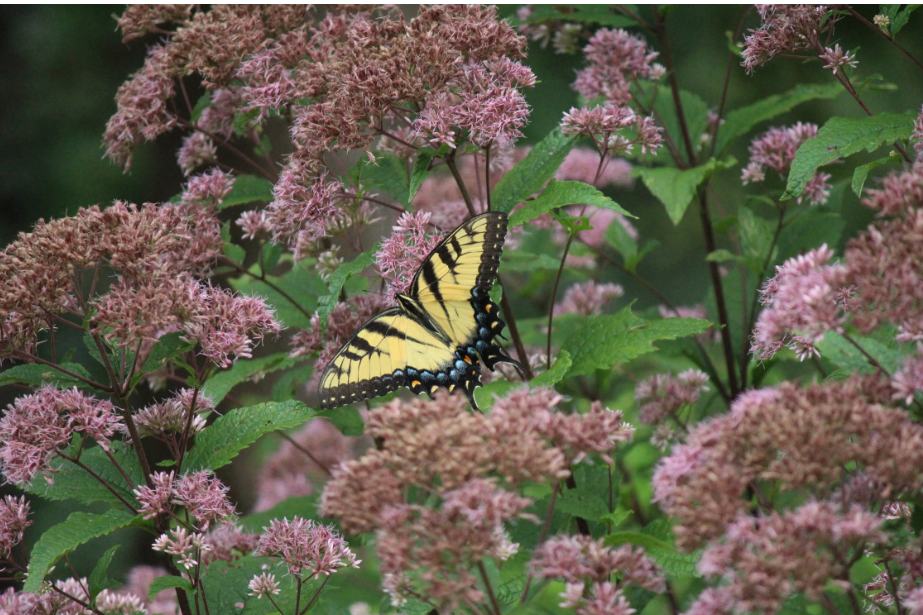
Butterfly gardens are designed to support both adult butterflies and their caterpillars. Adult butterflies generally seek nectar-producing flowers, while caterpillars often require specific host plants.
Milkweed, for example, is important for monarch butterflies, while other butterfly species depend on different native plants during their larval stages. A successful butterfly garden includes nectar plants as well as host plants.
Sunny areas are often especially attractive to butterflies, which may rest and warm themselves in open spaces.
Bee Gardens
Bee gardens are designed to support native bees as well as other pollinating insects. Many native bees are solitary rather than living in large colonies like honeybees.
A bee-friendly garden should include flowers with different bloom shapes, colors, and seasons. Small clusters of the same plant species can make it easier for bees to locate flowers.
It is also helpful to provide nesting opportunities. Some native bees nest in bare soil, hollow stems, or small cavities. Leaving portions of the garden slightly natural can support these important pollinators.
Meadow Gardens
Meadow gardens usually combine native grasses and wildflowers in a more naturalistic design. They can be a suitable option for larger properties, open spaces, and areas where a traditional lawn is difficult to maintain.
A meadow garden may support a wide range of insects, birds, and small wildlife. The mixture of plant heights and flowering periods can create changing colors and textures throughout the year.
Rain Gardens
Rain gardens are designed to collect and absorb rainwater from roofs, driveways, and other hard surfaces. Native plants are often a practical choice because suitable species can tolerate periods of moisture and occasional dryness.
A rain garden can help manage stormwater while providing habitat for pollinators. Plants are generally selected according to their position within the garden, with moisture-tolerant species placed in lower areas and plants that prefer drier conditions positioned around the edges.
Woodland Pollinator Gardens
Not every pollinator garden needs full sun. Woodland gardens can support species adapted to partial shade or shaded environments.
Native ferns, flowering woodland plants, shrubs, and groundcovers can create attractive habitats beneath trees. These gardens are especially useful for properties with existing mature trees where sun-loving wildflowers may not thrive.
Creating a Diverse Pollinator Garden
One of the most important principles of a successful pollinator garden is diversity. Planting only one type of flower may attract some insects, but a greater variety of native plants can support a broader range of pollinators.
Consider including plants that flower during different seasons, along with a mixture of trees, shrubs, grasses, and flowers. Plants should also be chosen according to the amount of sunlight, soil type, and moisture conditions available in the garden.
Avoiding unnecessary pesticide use can also help protect pollinators and other beneficial insects. In addition, leaving some plant stems, fallen leaves, and natural areas can provide shelter and overwintering habitat.
Final Thoughts
There are many kinds of native plants and pollinator gardens, ranging from colorful wildflower beds and butterfly gardens to rain gardens, meadow landscapes, and shaded woodland habitats. The best garden is one designed around local conditions and filled with plant species that are appropriate for the region.
By including native wildflowers, perennials, shrubs, trees, and grasses, gardeners can create outdoor spaces with year-round interest and ecological value. A diverse pollinator garden does more than add beauty to a property—it can provide essential food and shelter for the insects and wildlife that help maintain healthy ecosystems. With thoughtful plant selection and simple maintenance practices, gardens of almost any size can become valuable habitats for native pollinators.
Content generated by ChatGPT