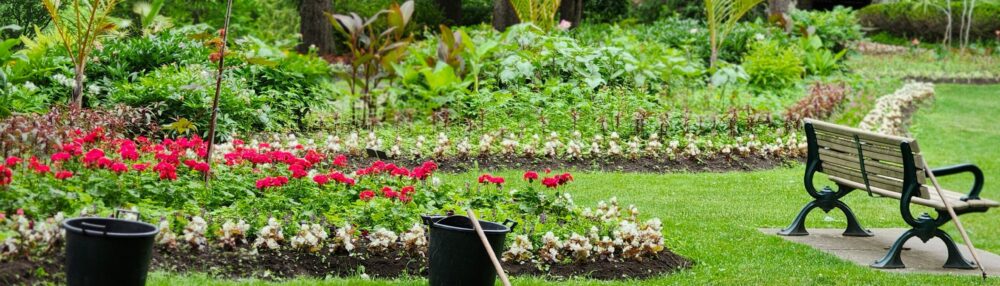
Landscape design is more than simply arranging plants in an outdoor space—it is also an opportunity to incorporate modern security features that enhance both beauty and peace of mind. Strategically placed security lighting, motion sensor lights, security cameras, smart locks, gated entry systems, and durable fencing can complement your landscape while helping protect your property. By combining attractive outdoor aesthetics with practical home security solutions, homeowners can create an inviting environment that boosts curb appeal, increases property value, and provides a safe, relaxing retreat for family and guests.

Understanding the Foundations of Landscape Design
At its core, landscape design relies on a few key principles: balance, unity, proportion, rhythm, and focalization. These elements work together to create a cohesive and pleasing environment.
Balance refers to the visual equilibrium of a space. This can be symmetrical, where both sides mirror each other, or asymmetrical, where different elements create equal visual weight. Unity ensures that all parts of the design feel connected, often achieved through consistent colors, materials, or plant selections.
Proportion is about the relationship between objects—ensuring that plants, structures, and pathways are appropriately sized for the space. Rhythm is created through repetition, such as repeating plant species or design elements, guiding the eye naturally through the landscape. Lastly, focalization involves creating a central point of interest, such as a fountain, tree, or sculpture, that draws attention.
Designing with Layers and Structure
A well-designed landscape often mimics nature by incorporating layers of varying heights and textures. This layering technique creates depth and visual interest.


7
Typically, landscapes are arranged in three main layers:
- Canopy layer: Trees that provide shade and vertical structure
- Mid-layer: Shrubs and small ornamental trees that add volume
- Ground layer: Flowers, grasses, and groundcovers that fill in the space
This layered approach not only enhances aesthetics but also supports biodiversity and improves the overall health of the ecosystem.
Creating Functional Outdoor Spaces
Outdoor aesthetics should go hand in hand with functionality. A beautiful yard is most valuable when it serves a purpose for the people who use it.


8
Consider how you want to use your space. Do you need an area for entertaining guests, a quiet corner for relaxation, or a play area for children? Dividing your landscape into “zones” can help you achieve this. For example:
- A patio or deck for dining and gatherings
- A garden area for planting flowers or vegetables
- A lounge space with seating or a fire pit
- Pathways that connect each area seamlessly
Incorporating hardscaping elements like stone walkways, retaining walls, or pergolas adds structure and usability while complementing the natural surroundings.
Choosing Colors and Textures
Color plays a significant role in outdoor aesthetics. A well-planned color palette can evoke specific moods and create visual harmony.


8
Warm colors like red, orange, and yellow create energy and draw attention, making them ideal for focal points. Cool colors such as blue, purple, and green offer a calming effect and are perfect for relaxation areas.
Texture is equally important. Combining fine-textured plants like ornamental grasses with bold, broad-leaf plants creates contrast and keeps the design visually engaging. Mixing textures prevents the landscape from feeling flat or monotonous.
Incorporating Seasonal Interest
A successful landscape design looks appealing throughout the year, not just during one season. Planning for seasonal variation ensures that your outdoor space remains dynamic and attractive.


6
- Spring: Bulbs and flowering trees bring fresh color after winter
- Summer: Perennials and annuals provide vibrant blooms
- Fall: Trees and shrubs display rich, warm foliage tones
- Winter: Evergreens, ornamental bark, and structural elements maintain visual interest
By selecting a variety of plants that peak in different seasons, you can ensure continuous beauty year-round.
The Role of Lighting in Outdoor Design
Outdoor lighting is often overlooked, yet it plays a crucial role in enhancing both aesthetics and safety. Strategically placed lighting can highlight key features, illuminate pathways, and create a warm, inviting atmosphere after sunset.
Soft, ambient lighting works well for seating areas, while accent lighting can be used to showcase trees, sculptures, or water features. Solar-powered lights are an eco-friendly option that reduces energy consumption while still providing effective illumination.
Sustainable and Low-Maintenance Design
Modern landscape design increasingly emphasizes sustainability. Creating an eco-friendly outdoor space not only benefits the environment but also reduces maintenance efforts and costs.
Some sustainable practices include:
- Using native or drought-tolerant plants
- Installing efficient irrigation systems
- Incorporating rain gardens or permeable paving
- Reducing lawn areas in favor of plant beds
Low-maintenance landscapes are especially appealing for homeowners who want a beautiful yard without constant upkeep. Mulching, proper plant spacing, and thoughtful design can significantly reduce the need for frequent maintenance.
Adding Personal Style and Character
Your landscape should reflect your personal taste and lifestyle. Whether you prefer a formal garden with clean lines or a more natural, cottage-style design, incorporating personal elements makes the space uniquely yours.
Decorative features such as sculptures, water fountains, or garden art can serve as focal points. Even small touches like decorative planters or themed garden sections can add character and charm.
Landscape design and outdoor aesthetics combine creativity with practicality to transform ordinary outdoor spaces into extraordinary environments. By understanding design principles, incorporating layers and functionality, and paying attention to color, texture, and seasonal interest, you can create a landscape that is both beautiful and purposeful.
Whether you are starting from scratch or enhancing an existing yard, a well-designed landscape offers more than visual appeal—it provides a place to relax, entertain, and connect with nature. With careful planning and thoughtful choices, your outdoor space can become a lasting source of enjoyment and pride.
Content generated by ChatGPT